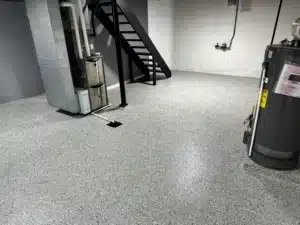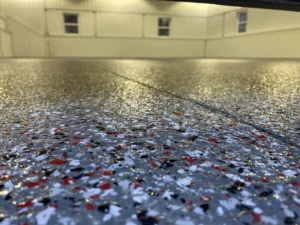
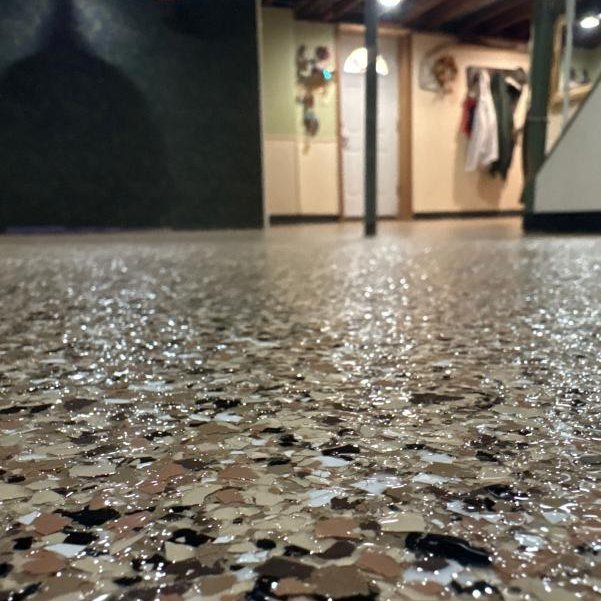
The honest answer is a qualified yes, but mostly for buyer appeal, not a fixed bump on the appraisal. A clean, finished garage floor makes a strong first impression, signals a well-maintained home, and removes the quiet objection that a cracked, stained, dusty slab creates in a buyer’s mind. That can help your home stand out, sell faster, and face fewer price negotiations. What a coating usually will not do is show up as its own line item on an appraisal, and there is no reliable universal percentage anyone can promise you. One caveat matters too: a low-quality, peeling DIY job can actually hurt your sale more than bare concrete. Here is how to think about it.
Perceived value versus appraised value
The key to this whole question is understanding two different kinds of value. Appraised value is the number an appraiser assigns, and it is driven mostly by comparable sales in your area and by structural features like square footage and bedroom count. A garage floor coating is a finish, not a size or structural change, so it rarely gets its own dollar adjustment on an appraisal. Perceived value is different. It is how a buyer feels about the home and what they are willing to offer. That is where a coating earns its keep, by making the whole property feel more cared for and move-in ready. Most of a coating’s resale benefit lives in perceived value, not the appraisal sheet.
First impressions start in the garage
The garage is often a buyer’s first indoor look at a home, especially when they pull in or walk through during a showing. A bright, clean, finished floor sets a tone: this home has been looked after. A dull, cracked, oil-stained slab sets the opposite tone and plants a seed of doubt about how the rest of the house was maintained. In a market where similar homes compete on the same street, that first impression carries real weight. A finished floor also helps buyers picture the garage as usable, flexible space, a workshop, a gym, a hangout, rather than a utility room, which makes the home feel larger and more livable.
It removes a buyer objection
A big part of a coating’s resale power is subtraction, not addition. When buyers tour a home, they build a mental list of things they would need to fix or spend money on, and every item on that list becomes ammunition for a lower offer. A damaged, stained garage floor goes straight onto that list. A finished floor takes it off. Buyers also tend to overvalue the hassle of a project they would have to tackle themselves, so a floor that is already done lets them skip the mess and the cost. Removing that objection at a relatively low cost, compared to redoing a kitchen or bath, is what makes a coating a smart pre-sale move.
The real takeaway: a coating rarely adds a fixed dollar amount to your appraisal, but it makes your home easier to love and easier to buy, which is where its resale value actually comes from.
When a coating helps most, and when it may not
A coating does the most for resale in specific situations. It helps most when the existing slab is cracked, stained, or worn, since the before-and-after difference is dramatic, and when the rest of the home is already well presented, so the garage matches the standard. It also helps in competitive markets where small differentiators tip a decision.
It does less when the garage is likely to be gutted or converted by the next owner, who may not value the floor, or when a seller expects a specific, fixed dollar increase that comparable sales simply will not support. And it can work against you if the coating is a low-quality, peeling product, because a failing floor looks worse than plain concrete. The move that pays off is a quality, professionally installed floor, not a bargain kit.
Why the quality of the coating matters for resale
Because resale value here is really about impression and confidence, the quality of the coating is everything. A durable polyurea and polyaspartic system looks sharp, resists stains and hot-tire marks, and stays looking new, which is exactly the impression you want a buyer to walk away with. It is four times stronger than epoxy and UV-stable, so it will not yellow or peel the way a low-quality coating does. A floor still looking flawless years later tells a buyer the home was upgraded with real materials, and a 15-year warranty on the system reinforces that message of quality and care. That is the kind of finish that supports a sale rather than quietly undermining it.
Frequently asked questions
Does a garage floor coating increase home value?
Mostly through perceived value and buyer appeal rather than a fixed appraisal increase. A clean, finished floor makes a strong impression and can help a home sell faster and with fewer price concessions.
Will a coating show up on my home appraisal?
Usually not as its own line item. Appraisals are driven by comparable sales and structural features, so a floor finish rarely gets a separate dollar adjustment, even though it influences how buyers feel.
Is it worth coating my garage floor before selling?
Often yes, especially if the slab is cracked or stained and the rest of the home is well kept. A quality coating removes a buyer objection at a lower cost than most other upgrades.
Could a coating ever hurt my resale value?
Yes, if it is a low-quality or DIY product that peels or bubbles, since a failing floor looks worse than bare concrete. A professionally installed, durable system avoids that risk.
Make your garage a selling point, not a sticking point
If you are thinking about selling, or simply want to enjoy a finished garage now and benefit later, a quality coating is one of the most cost-effective upgrades you can make. As a family-owned local team serving Greater Pittsburgh, Western Pennsylvania, Eastern Ohio, West Virginia, and nearby areas, we install durable, professional-grade garage floor coatings that still look sharp years down the road. Call 724-456-2788 or request a quote to see what a finished floor could do for your home.