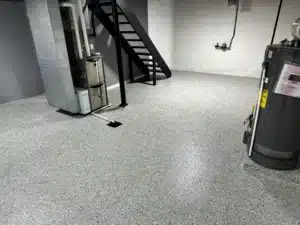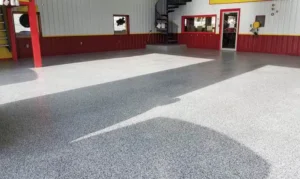
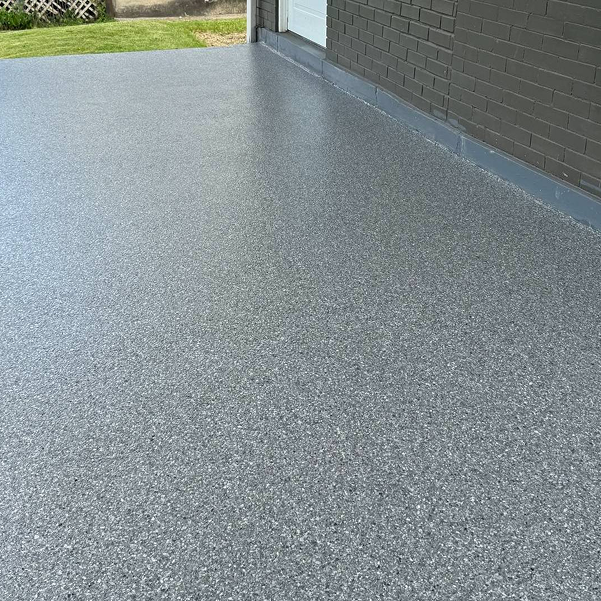
The good news first: learning how to maintain polyaspartic coatings outdoors takes less effort than almost any other outdoor surface around your home. A weekly sweep, a monthly hose-down with a pH-neutral cleaner, and a few seasonal habits specific to Western PA weather are all it takes to keep a coating looking new through its full 15+ year lifespan.
The bad news is that the wrong cleaning products and a few common mistakes can damage even a premium system in months. This guide covers exactly what to do — and what not to do — to protect the finish on your outdoor concrete.
The Quick Maintain Polyaspartic Coatings Outdoor Schedule
If you only remember one section of this article, make it this one:
| Frequency | What to Do | Time Required |
|---|---|---|
| Weekly | Sweep or rinse off loose debris | 5 minutes |
| Monthly | Mop with pH-neutral cleaner, walk perimeter | 15 to 20 minutes |
| Spring | Deep clean after winter, inspect for damage | 30 minutes |
| Summer | Rinse off pool chemicals, sunscreen, debris | Ongoing, light |
| Fall | Clear leaves before they sit, prep for winter | 30 minutes |
| Winter | Avoid metal shovels, use coating-safe ice melt | Ongoing, careful |
That is the whole maintenance program for a polyurea polyaspartic system in Western PA. The rest of this guide explains why each step matters and where the pitfalls hide.
Weekly: The 5-Minute Routine
A polyaspartic coating is non-porous, so dirt, dust, and grit sit on top instead of working into the surface. The weekly job is simply to get that loose debris off before it causes any damage.
- Sweep with a soft-bristle broom or microfiber dust mop. Stiff bristles and abrasive brooms can scuff the finish over time.
- Rinse with a garden hose if you have a pool deck, patio, or walkway. Standard pressure is fine — skip the pressure washer.
- Wipe up spills as they happen. Sunscreen, drinks, food, and pool chemicals all come off easily when fresh. They get harder to remove the longer they sit.
That is it for the weekly routine. Five minutes, no products required, no special tools.
Monthly: Deep Clean and Quick Inspection
Once a month — or after any heavy-use event like a pool party or backyard cookout — give the surface a proper cleaning:
- Sweep first to remove loose grit. Grit dragged around by a wet mop scratches the surface.
- Mop with a pH-neutral cleaner. Warm water with a few drops of mild dish soap works. Pre-mixed polyaspartic-safe cleaners are available but not required.
- Use a microfiber or foam mop. Stiff bristles or scouring pads are too aggressive for the finish.
- Rinse with clean water. Soap residue left on the surface can leave a film that attracts more dirt.
- Walk the perimeter and check for damage. Look for chips at edges, separation at expansion joints, or scratches from furniture. Catching small issues early prevents big repairs.
Seasonal Care for Western PA
This is where the difference between Western PA and milder climates becomes clear. The same coating in Tampa or Phoenix needs less seasonal care because nothing freezes, salts, or buries it in wet leaves. Here is the Pittsburgh-area version.
Spring (March to May)
After a Western PA winter, the surface needs a real reset:
- Sweep off accumulated salt and grit from snow boots and tracked-in road salt.
- Hose down with a pH-neutral cleaner to lift residual salt brine. Pay extra attention to edges where snow piled up and melted.
- Inspect crack repairs and expansion joints for any movement that happened during freeze-thaw. Hairline movement is normal. Visible separation needs a call to your installer.
- Move furniture back into place with pads under the legs. Steel chair legs dragged across the surface will mark it.
Summer (June to August)
Pool decks and patios get heavy use in summer. Most of the maintenance is reactive, not scheduled:
- Rinse pool chemical splash-off at the end of each weekend, especially in the area right around the pool steps and skimmer.
- Wipe sunscreen and oil spills with a damp cloth before they dry on the surface.
- Clear food and drink spills from cookouts the same day.
- Watch for algae in shaded corners that stay wet for days. A pH-neutral cleaner with a soft brush handles it before it spreads.
The polyaspartic top coat will not yellow under the summer sun, even with daily exposure. That is what polyaspartic UV resistance is built for.
Fall (September to November)
Fall is the most important seasonal maintenance window in Western PA — and the one most homeowners skip:
- Clear leaves before they sit and rot. Wet leaves piled on a coating for weeks trap moisture, attract pests, and can leave tannin stains on lighter flake colors.
- Rinse and inspect before the first freeze. Anything still on the surface when winter arrives stays there until spring.
- Drain and store outdoor furniture properly. Furniture left sitting all winter can leave rust marks where metal contacts the finish.
- Confirm any small repairs before cold weather makes them harder to address.
Winter (December to February)
Winter is where homeowners do the most accidental damage to polyaspartic coatings outdoors:
- Use a plastic or rubber-edge shovel only. Metal shovel edges can score the top coat.
- Skip rock salt and most standard ice melts. Sodium chloride is corrosive to the coating over years of exposure. Calcium chloride and magnesium chloride are also aggressive. Use a coating-safe ice melt — calcium magnesium acetate or potassium chloride — or simple sand for traction.
- Avoid metal snow blower edges scraping directly on the surface. Adjust the height or use a plastic skid.
- Clear snow after each storm rather than letting it sit and melt in piles for weeks. Standing meltwater pushes salt and dirt into expansion joints.
According to Penn State Extension, deicing salts cause significant surface deterioration on concrete and coatings over time — using coating-safe alternatives in winter is one of the highest-impact maintenance decisions you can make.
What to Avoid: Things That Will Damage the Coating
These are the most common ways homeowners shorten the life of a polyaspartic finish:
- Bleach, ammonia, and acid-based cleaners — these break down the top coat over time; even diluted bleach left in contact can dull the finish
- Citrus and pine-based degreasers — strong solvents soften the polyaspartic layer
- Pressure washers above 1,500 PSI — water at high pressure forced into seams or expansion joints can lift edges or cause bubbling
- Hot water for routine cleaning — warm water is fine; boiling or near-boiling water can soften the coating
- Wire brushes, steel wool, scouring pads — anything more aggressive than a soft nylon brush is too much
- Dragging metal furniture, grills, or toolboxes — always lift and reposition, or use pads under the legs
- Letting oil, gas, or transmission fluid sit — polyaspartic is chemical-resistant, but extended contact with petroleum products can dull the finish
- Metal shovel blades and snow blower scrapers — worth repeating every winter
If you remember one rule: if you would not use it on a hardwood floor inside the house, do not use it on a polyaspartic coating outside.
Handling Stains, Spills, and Damage
Most issues clean up with the standard routine. A few situations need more attention:
Oil and grease. Wipe up immediately with a paper towel. For dried oil, a pH-neutral degreaser and a soft brush handle most cases. Rinse thoroughly and repeat once if needed.
Rust stains (from furniture, planters, or pool equipment). Use a non-acidic rust remover designed for coated surfaces. Acidic rust removers can damage the polyaspartic finish.
Algae and mildew in shaded areas. A pH-neutral cleaner with a soft brush, followed by a thorough rinse. For persistent growth, address the underlying drainage issue.
Tree sap and bird droppings. Wipe off when fresh. Dried sap may need a few minutes of soaking with warm soapy water before it lifts.
Scratches from furniture or dropped tools. Surface scratches in the top coat are usually cosmetic and not a warranty concern. Deep scratches that expose the flake or base coat should be inspected by your installer.
Chips at edges or expansion joints. These need a professional repair. Catching them early keeps the rest of the coating bonded.
When to Call a Pro vs. Handle It Yourself
| Situation | Action |
|---|---|
| Routine cleaning, light stains, normal wear | Handle yourself |
| Stubborn stains, algae, scuffs | Try pH-neutral cleaner and a soft brush first |
| Chips, separation at joints, peeling, lifting | Call your installer |
| Damage from improper cleaning or de-icer | Call your installer to assess warranty implications |
| Annual deep inspection | Professional walk-through every 3 to 5 years |
For a deeper look at why polyaspartic is the right outdoor system in the first place, see our breakdown of whether polyaspartic coatings are worth it for patios and pool decks. For a real-world example of the system on a Western PA pool deck, see our Wexford pool deck case study. And if you want to understand exactly what your coating is protected against long-term, see our full concrete coating warranty breakdown.
Questions on Your Polyaspartic Coating? Call Us
Invicta Concrete Coatings installs and supports polyaspartic outdoor coatings on patios, pool decks, walkways, and porches across Pittsburgh, Cranberry Township, Greensburg, Bethel Park, Butler, Erie, Sewickley, Morgantown, Youngstown, and nearby areas in Western Pennsylvania, eastern Ohio, and northern West Virginia. We are happy to answer maintenance questions on systems we installed and to assess any concerns under the 15-year warranty.
Call 724-456-2788 or reach out online if you have a question about your coating, want a quote for a new project, or need a professional inspection of an existing install.