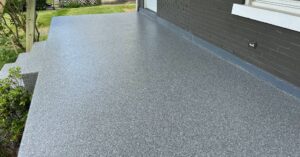

Here is the twist most comparisons miss: polyaspartic and polyurea are not rivals. Polyaspartic is a type of polyurea, so pitting one against the other is a bit like asking whether you want a vehicle or a truck. In a quality floor system, you actually use both. A flexible polyurea goes down first as the base coat for adhesion and strength, and a UV-stable polyaspartic goes on top as the clear topcoat. Polyaspartic takes the top spot for one big reason: it holds its color in sunlight, while standard polyurea would yellow up there. Here is how the two fit together and why the order matters.
Wait, polyaspartic is a polyurea?
Yes. Every polyaspartic is a polyurea, but not every polyurea is a polyaspartic. Both come from the same polyurethane-based chemistry family. Polyaspartic is a specific, engineered type of polyurea, often called an aliphatic polyurea, that was modified to do two things standard polyurea cannot: cure a little slower so installers have workable time, and resist UV so it does not yellow in the sun. That single relationship clears up most of the confusion. The real question is not which material wins, but which one belongs in each layer of the floor.
What polyurea does best: the base coat
Standard polyurea is the muscle of the system. It cures fast, bonds tightly to properly prepared concrete, and stays flexible, so it moves with the slab as temperatures swing instead of cracking. Those strengths make it the ideal base coat, the layer that grips the concrete, absorbs impact, and locks in the decorative flake. Its one weakness is UV stability. Left exposed to sunlight on its own, standard polyurea tends to yellow and fade. That is fine for a layer that is going to be covered, which is exactly where it lives.
What polyaspartic does best: the topcoat
Polyaspartic is the finish and the shield. As the clear topcoat, it is UV-stable, so it keeps its color and gloss season after season without yellowing. It is hard and wear-resistant, standing up to tires, foot traffic, and chemical spills, and it seals and protects the flake and base layers underneath. The slower, more controllable cure also gives a smoother, better-looking final finish. Everything that makes polyaspartic great is exactly what you want from the surface you actually see and walk on.
Which goes on top, and why it matters
Polyaspartic goes on top. The reason comes down to sunlight. Put a UV-stable polyaspartic on the surface and the floor keeps its color and shine for years, even in a sunny garage or on an outdoor patio. Flip the order and put bare polyurea on top, and that exposed layer would yellow and dull over time. You would also be spending more to put your most expensive, best-looking material underneath where no one ever sees it. Polyurea underneath for the bond and the flex, polyaspartic on top for the looks and the UV protection: that order is what gives you the best of both.
| Property | Polyurea (base coat) | Polyaspartic (topcoat) |
|---|---|---|
| Relationship | The broad family | A UV-stable type of polyurea |
| Cure speed | Very fast | Slower, more workable |
| Adhesion and flexibility | Excellent | Good |
| UV stability | Can yellow in sun | Holds color, no yellowing |
| Best role | Base coat | Clear topcoat |
The short answer: polyurea on the bottom for grip and flex, polyaspartic on top for UV stability and wear. Two layers, same chemical family, each doing what it does best.
The thing that matters more than either name
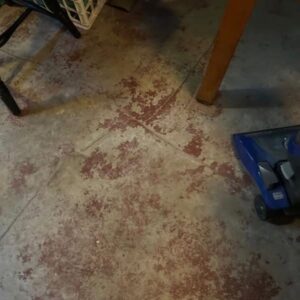
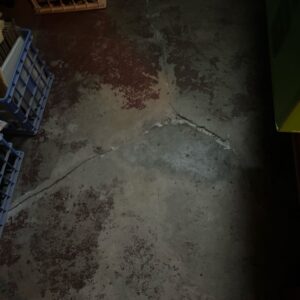
Here is what the resin debate tends to overshadow: the prep matters more than the name on the bucket. Even the best polyurea and polyaspartic system will peel if it is laid over a slab that was not ground, cleaned, and repaired properly. Adhesion starts at the concrete, which is why diamond grinding, crack repair, and surface prep decide whether a floor lasts for years or lifts in a season. When you compare quotes, the more useful questions are what goes in each layer and how the floor is prepped, not just which product name appears. A great system installed over bad prep is still a bad floor.
Frequently asked questions
Is polyaspartic the same as polyurea?
Polyaspartic is a type of polyurea, specifically an aliphatic polyurea engineered to cure slower and resist UV. All polyaspartics are polyureas, but not all polyureas are polyaspartic.
Which goes on top, polyurea or polyaspartic?
Polyaspartic goes on top. It is UV-stable and holds its color, while standard polyurea would yellow if left exposed on the surface. Polyurea works as the base coat underneath.
Why not just use one product for the whole floor?
Each excels at a different job. Polyurea gives the best adhesion and flexibility for the base, and polyaspartic gives the best UV stability and wear for the topcoat. Using both captures both strengths.
Does the brand of coating matter most?
No. Surface prep matters more. Even a top system will fail over a poorly prepared slab, so grinding, crack repair, and proper prep are what truly make a floor last.
Get a properly layered floor from a team that preps it right
A great floor is the right layers installed over the right prep, and that is what we do. As a family-owned local team serving Greater Pittsburgh, Western Pennsylvania, Eastern Ohio, West Virginia, and nearby areas, we install a polyurea and polyaspartic system, four times stronger than epoxy and backed by a 15-year warranty, with the grinding and repair that make it last. Call 724-456-2788 or request a quote for your garage floor coating.